What's Actually Inside the Price Tag
When a well-made garment costs more, the difference usually comes down to three things: the material, the construction, and the time.
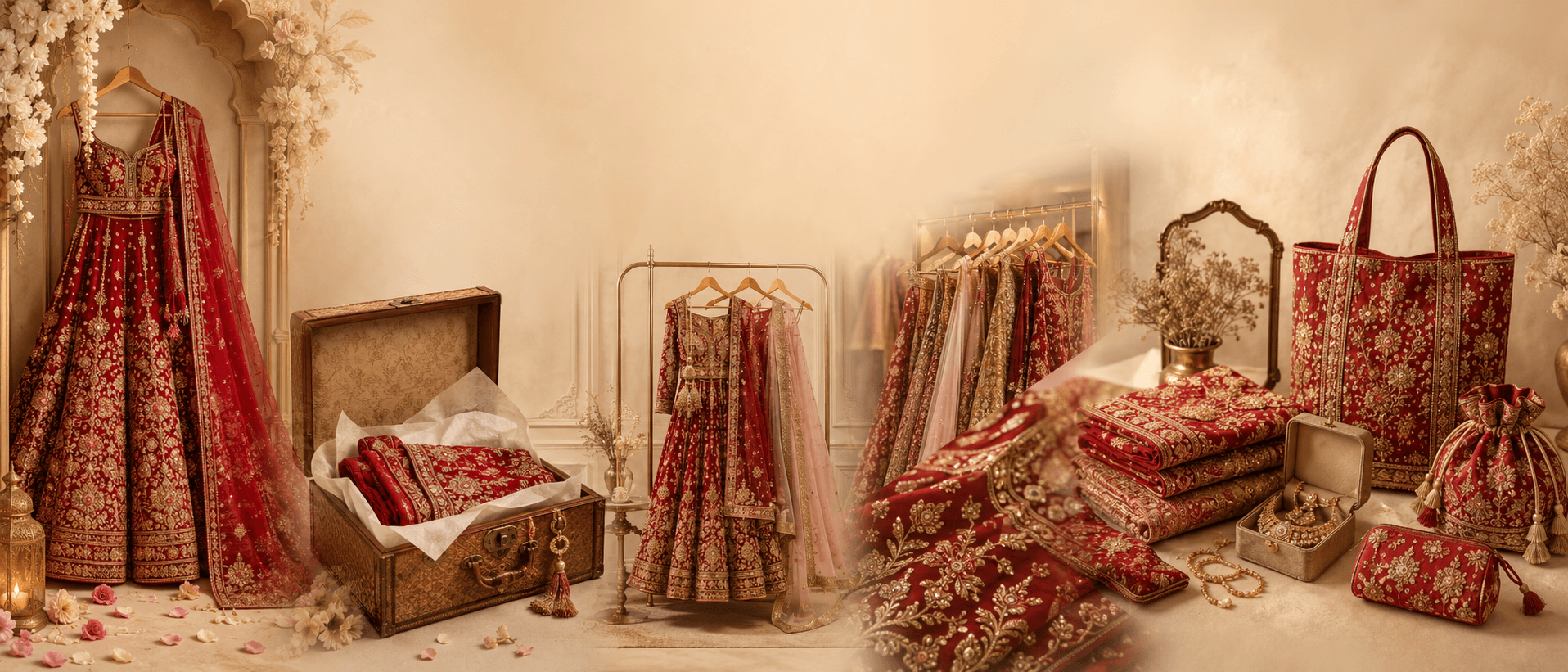
The material is the starting point. Premium fabric from a heritage mill in Italy or a silk weaver in Varanasi doesn't behave like synthetic fabric from a fast-fashion supplier. It drapes differently. It holds its shape after twenty washes. It breathes. It ages in a way that makes it more beautiful rather than more tired. As CNN's deep-dive into luxury craftsmanship reports, luxury brands like Bottega Veneta and Tod's are now going to lengths to put their artisans on stage at Fashion Week not as a marketing exercise, but because the craft is genuinely the point. As one brand chairman put it: "True value lies in what a product gives back over time in its quality, longevity, and the emotion it carries."
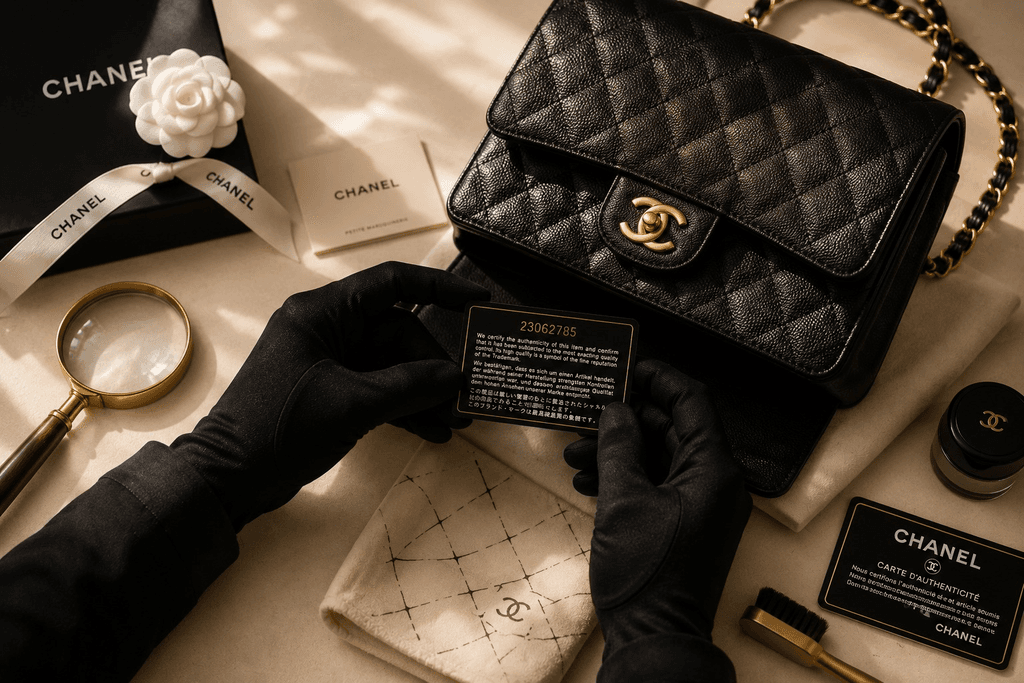
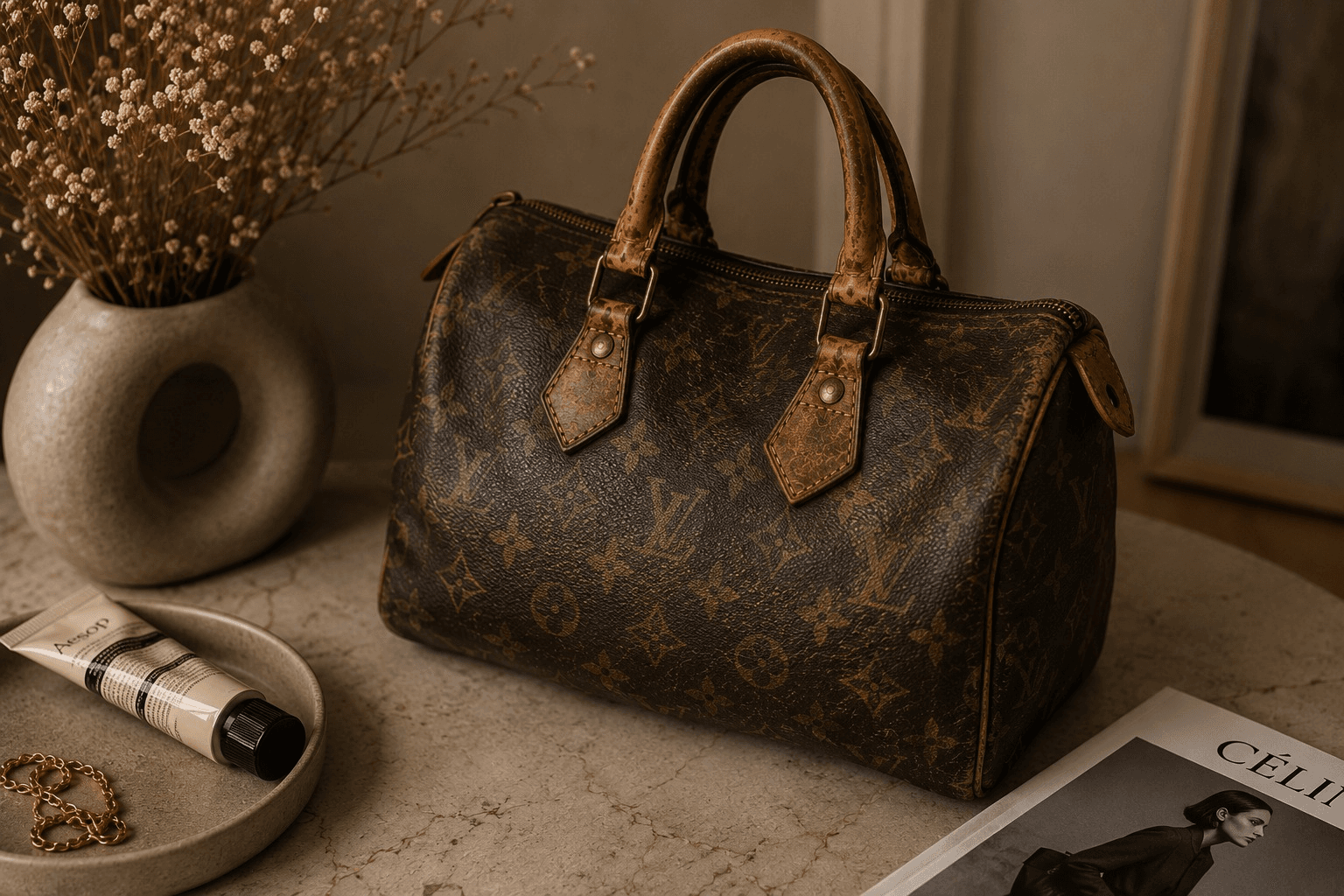
The construction is where most people can't see the difference until they can. A well-made seam sits differently. The collar of a quality blazer doesn't curl after dry cleaning. The handle of a quality bag doesn't loosen after a year of daily use. Reinforced seams, precise pattern-matching, hand-applied embellishments are things that only show up over time, which is exactly when they matter.
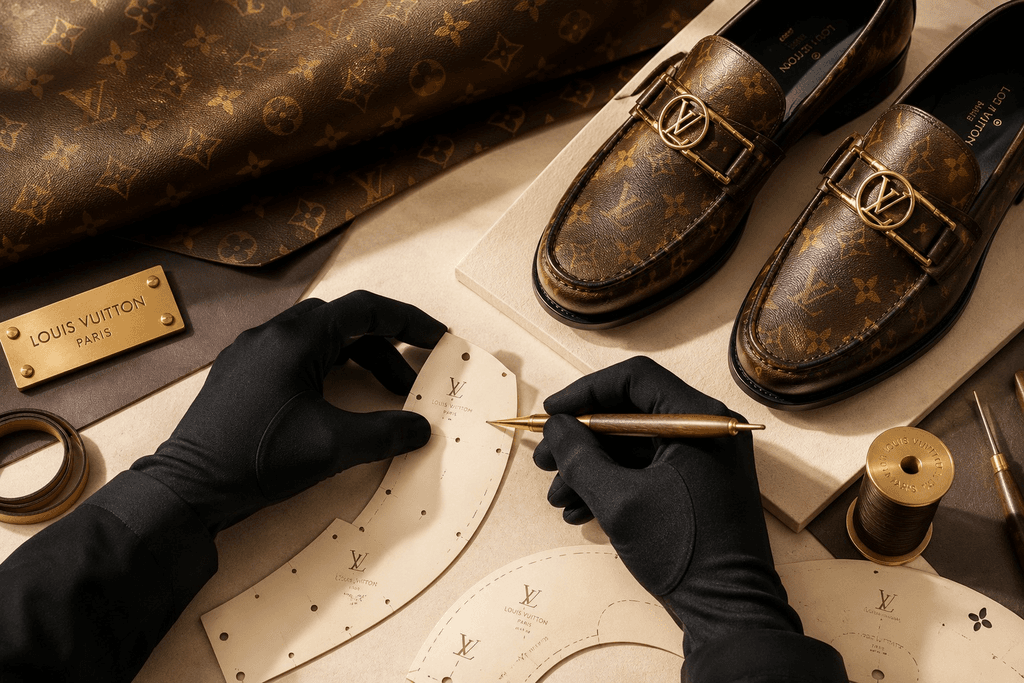
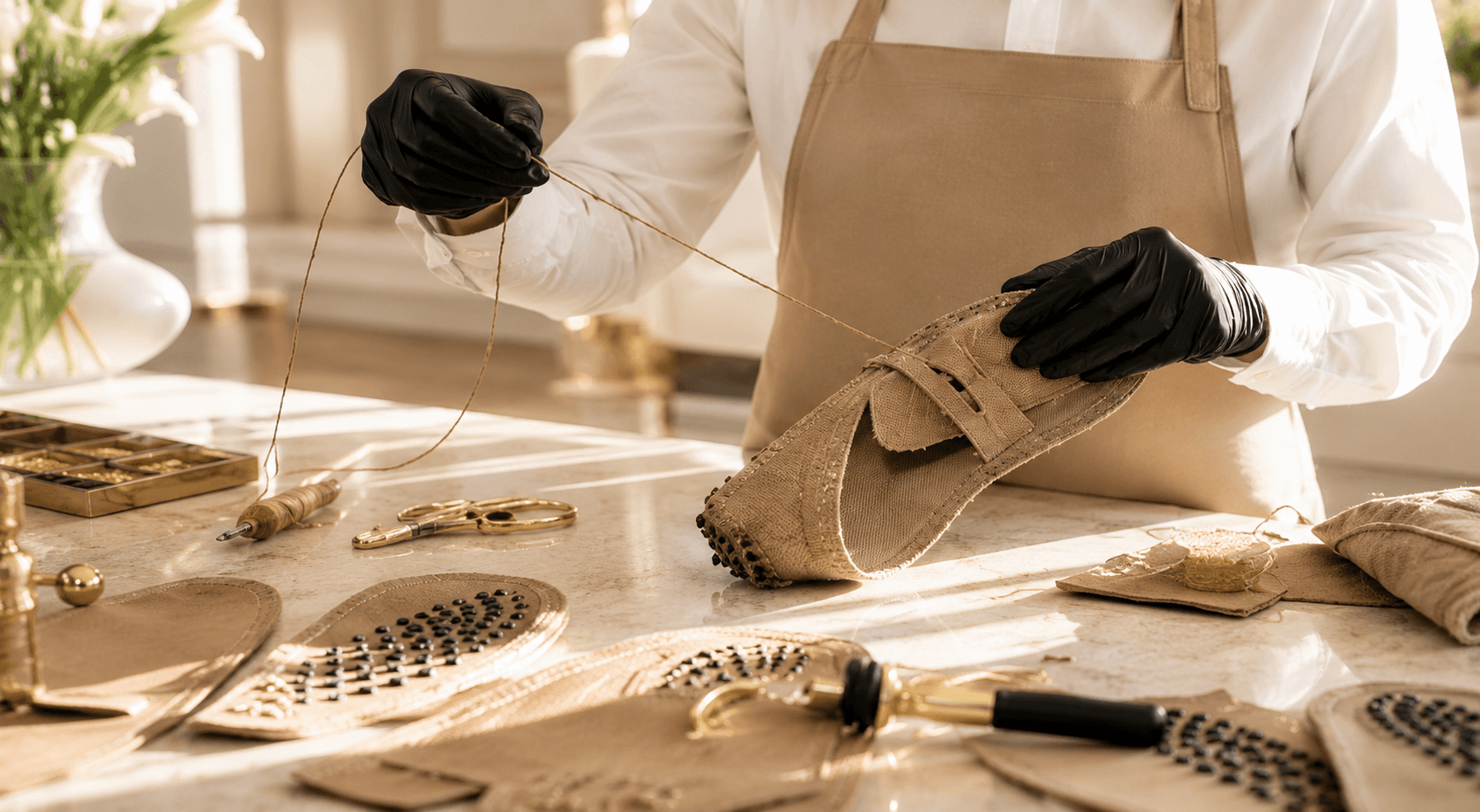
Time is perhaps the most invisible cost. A karigar in Lucknow spent eight weeks on a single piece of zardozi embroidery. A leather artisan hand-stitching the gusset of a bag. A tailor cut a pattern the fifth time because the fourth wasn't right. This isn't paying for faster production, it's paying for what that time produces, which is something a machine and a two-week production cycle genuinely cannot replicate.